
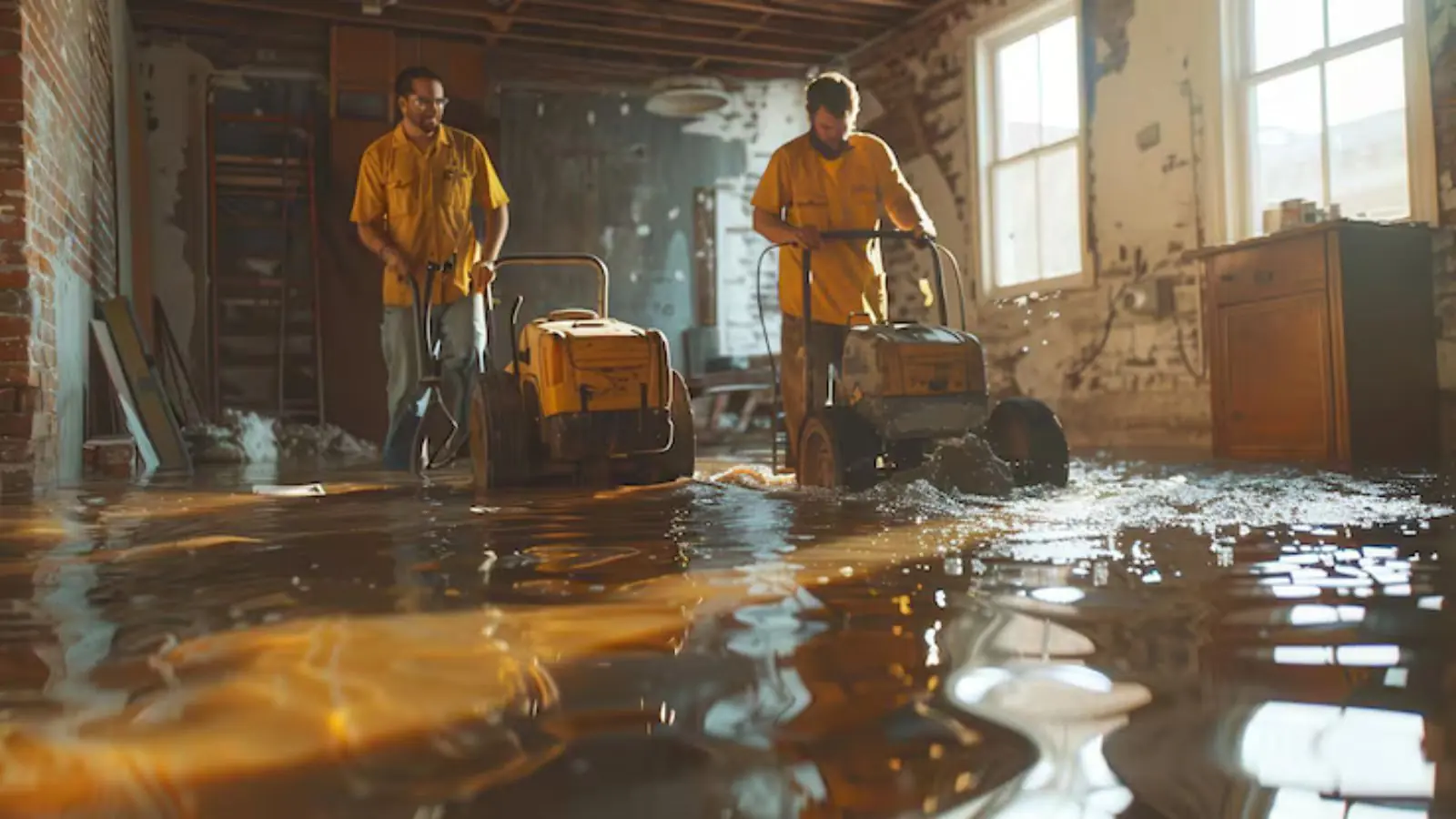
Emergency Water Removal in Wheat Ridge Starts With the Source
If water is standing in your home right now, you are in the right place. Emergency water removal in Wheat Ridge means pumps and extraction units pulling standing water out as fast as safely possible, with a crew that stays to start drying. Our dispatch line answers 24/7, and until the crew arrives you can close the main valve when a supply line is leaking.
Keep people and pets out of the water. Shut off power to the wet area only when you can reach a dry panel, and if you smell gas or see sparking, get out and phone the utility or 911. These steps keep a bad day from becoming a dangerous one.
When Standing Water Is an Emergency
Any water deeper than a puddle that covers floor area is worth treating as an emergency. Water soaks into drywall, subfloors and framing quickly, and it moves to rooms below and beside the first wet spot. The EPA's mold guidance puts the drying deadline at roughly two days, so every hour of delay shortens the window.
Treat it as urgent if water is coming from a pipe that will not stop, if it covers a finished basement, if it is touching outlets or appliances, or if it smells like sewage. Those situations get worse by the hour and call for a crew rather than a wet vacuum.
Common Causes of Emergency Water in Wheat Ridge Homes
Failed supply lines
Braided washer hoses, toilet supply lines and ice maker lines can fail with no warning and run for hours.
Water heaters
A tank that corrodes through can empty onto a basement floor in a short time.
Sump pump failure
Pumps fail at the worst moment, often during heavy rain or a power outage.
Storm and runoff water
Water enters through window wells and low doors, especially near the mapped floodplains along Clear Creek and Lena Gulch.
Burst Pipe Water Damage
A burst pipe is the classic emergency. Freeze damage is one cause. The Denver weather station's average first freeze falls on October 7 and the average last freeze on May 5, according to NWS Boulder, so frozen and cracked lines are a seasonal risk for a long stretch of the year. Pipes in exterior walls, garages and crawl spaces freeze first.
Close the main valve right away, then open a faucet at the lowest point of the house to drain what is left in the line. Do not use a space heater near standing water. Call dispatch so extraction starts, and call a licensed plumber for the pipe repair itself.
Once the water is out, hidden moisture is the real problem. A burst line behind a wall wets the cavity from inside, and drying has to reach it, which is the work described on our water mitigation page. Drywall that has soaked through is cut out so the cavity can dry.
Water coming from a pipe right now?
Shut off the main valve and call dispatch.
How Extraction Works
Stop and secure
The source is shut off and the safest path through the property is identified.
Extract
Submersible pumps handle deep water and truck-mounted or portable extraction units pull water from carpet and floors.
Map moisture
Meters and thermal imaging show wet areas that standing water left behind.
Start drying
Air movers and dehumidifiers are set so the wet structure begins drying immediately.
Extraction removes the water you can see, and drying removes the moisture you cannot. Skipping the second step is how a home that was vacuumed on Saturday grows mold by the next weekend. If the water came from a creek, storm drain or sewer, read our flood damage restoration page for the contaminated-water side.
Choices on a Wet Floor
| Material | Clean-water loss | Contaminated water |
|---|---|---|
| Carpet | May be extracted and dried in place if caught early | Removed and discarded |
| Carpet pad | Usually replaced | Always replaced |
| Drywall | Cut back where soaked, dried where not | Cut back and removed past the water line |
| Hardwood | Dried with controlled equipment, outcome varies | Usually replaced |
| Tile and concrete | Extracted and sanitized | Extracted and sanitized, grout checked |
What Affects the Cost of Water Removal
Water category
Clean, gray or contaminated water changes the disposal and sanitizing steps.
Depth and area
More standing water and more rooms mean more pump time and more drying equipment.
Time on site
Hours of extraction, plus drying visits, are the largest part of most scopes.
Materials removed
Carpet pad, drywall and baseboard removal are scoped line by line.
After-hours dispatch
Night and holiday calls use the same line, and the scope still gets explained before work starts.
Rebuild
Repair is priced separately, after drying is complete.
Photograph the water before anything is moved, and keep any receipts for lodging if the home becomes unlivable, because the Colorado Division of Insurance suggests documenting extra costs from a covered loss.
Emergency Water Removal FAQs
Do you handle water removal emergencies at night or on weekends in Wheat Ridge?
Yes. Calls are answered at 3 a.m. the same as at noon. Crews are sent in call order and no arrival time is promised. Call, and we will tell you what to do while you wait.
Can I use a wet vacuum myself?
For a small clean-water spill, yes. For anything deeper, a wet vacuum leaves water in the subfloor and wall cavities. Water that came from a toilet, sewer or creek should not be handled without protective gear.
What if the water is near an electrical panel?
Stay out. If the panel is dry and within reach you can shut off the main breaker. If not, phone the utility or 911 first and call us afterward for removal.
How long does extraction take?
Extraction is often finished the same day, while drying continues for days afterward. The exact time depends on depth, area and materials, and the scope is explained before work starts.