
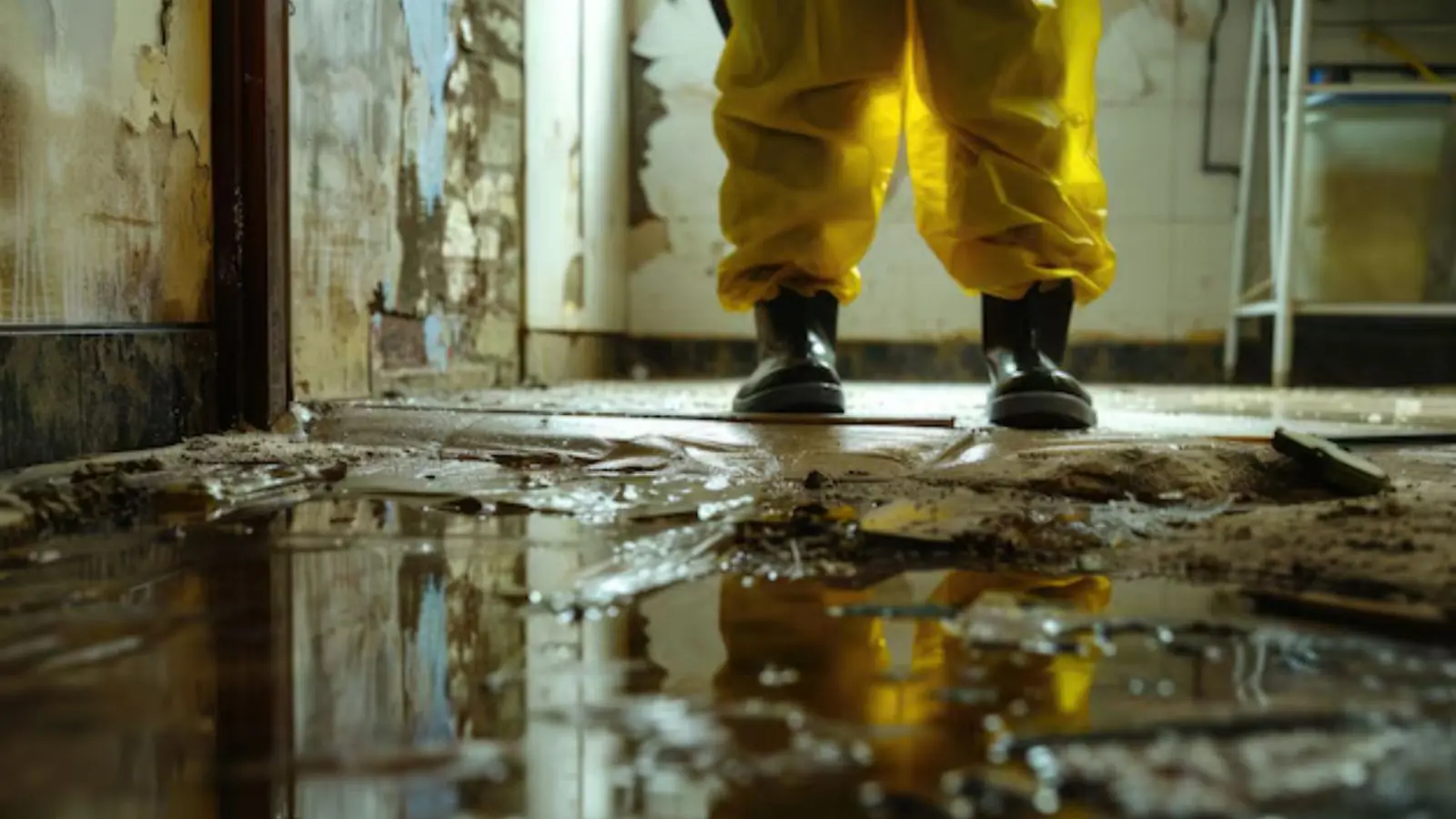
Water Damage Cleanup in Wheat Ridge After the Water Stops
Water damage cleanup in Wheat Ridge is the removal of wet debris and contaminated materials, followed by cleaning, sanitizing and deodorizing. It begins once the water is stopped and standing water is out, usually in the first 48 hours. Dispatch is answered 24/7, and if the source is still active, shut off the main water valve while you wait.
Before touching anything, check the water source. Clean supply-line water is handled differently from gray water or sewage, and handling contaminated material without gloves, eye protection and a mask puts you at risk.
When Cleanup Cannot Wait
Wet material that stays in place keeps absorbing moisture, and the EPA's guidance on drying within a day or two applies here too. Cleanup is urgent when carpet pad, drywall or insulation is soaked, when water came from a toilet, sewer or storm drain, or when odors have started.
Cleanup calls are taken at any hour. Crews head out in call order, with no promised arrival time.
What Cleanup Includes
Debris removal
Soaked carpet pad, drywall, insulation, baseboards and damaged contents are removed and bagged.
Cleaning
Hard surfaces, framing and concrete are cleaned of silt and residue so sanitizer reaches the surface.
Sanitizing
Antimicrobial products are applied to treated areas according to the type of water involved.
Deodorizing
Air scrubbers and odor treatments address smells from standing water and wet materials.
Cleanup and drying overlap. Wet debris comes out first so equipment can dry the structure, which is why this page connects to water mitigation on the front end and water damage repair on the back end.
Wet debris sitting in your home?
Call and we will explain what to remove and what to keep.
What Gets Thrown Away and What Gets Saved
| Item | Clean supply-line water | Gray or contaminated water |
|---|---|---|
| Carpet pad | Replaced | Replaced |
| Carpet | Often cleaned and dried if caught early | Removed |
| Drywall | Cut where soaked | Removed past the water line |
| Insulation | Removed in wet cavities | Removed |
| Upholstery and soft goods | Often cleaned | Often discarded |
| Hard furniture | Cleaned and dried | Cleaned and sanitized |
Contents can often be saved when the water was clean and the item is hard-surfaced. Photographs and a written list help with insurance, so document damaged items before they are discarded.
Local Considerations in Wheat Ridge
Basements are common across the city, and a flooded finished basement leaves a lot of porous material to remove. Silt from storm runoff or creek water adds a cleaning step on hard surfaces. If your problem began with a sewer backup, the water is Category 3, and our flood damage restoration page covers the heavier handling.
Disposal matters too. Debris is bagged and hauled out instead of left curbside where it can attract pests and spread odor. The City of Wheat Ridge can answer questions about permits and the building division is reached at 303-235-2855, option 1.
What Affects the Cost of Cleanup
Water category
Contaminated water means more removal and stricter sanitizing.
Volume of debris
More wet material means more labor and disposal.
Contents
Packing out and cleaning belongings adds time.
Odor treatment
Deodorizing steps depend on how long the water sat.
Access
Stairs and tight spaces slow debris removal.
Next stage
Drying and rebuild are scoped separately.
Keep photos and receipts, and ask your insurer before discarding major items. A sudden loss is more likely to be covered than a slow one.
Cleanup Safety Checklist Before Work Begins
- Wear gloves, eye protection and boots around wet debris.
- Leave items that touched sewage water to professionals.
- Bag soaked carpet pad and drywall separately from household trash.
- Ventilate the room and keep air handlers away from contaminated areas.
- List damaged contents with photos before discarding anything.
Water Damage Cleanup FAQs
Do you handle water cleanup emergencies at night or on weekends in Wheat Ridge?
Yes. Cleanup crews are dispatched any day and any hour. No arrival time is guaranteed.
Can I remove wet carpet myself?
For a small clean-water spill, often yes. For sewage or storm water, no. Contaminated material should be removed with protective gear and disposed of properly.
How do you decide what to save?
Material type, water category and time wet decide it. Clean water and hard-surfaced items are saved more often than porous items that stayed wet.
Does cleanup remove the smell?
Removing the source material and drying the structure removes most odors. Air scrubbing and deodorizing treat what remains. If the smell persists, ask whether hidden moisture is still present.
Do you clean up after sewer backups?
Yes, with containment and sanitizing. See flood damage restoration for sewage details. A plumber or your sewer provider must clear the line.