
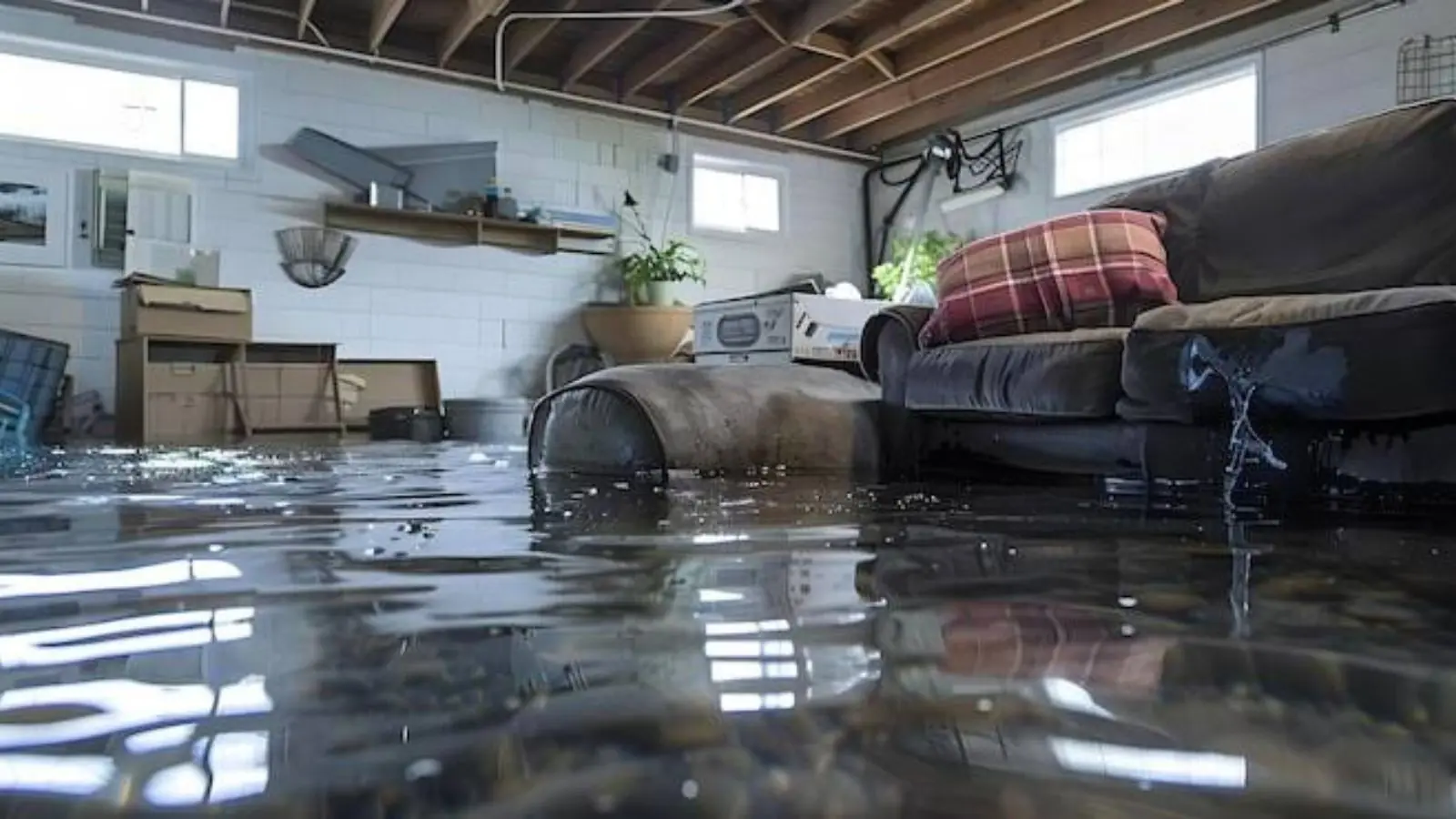
Flood Damage Restoration in Wheat Ridge Means Contaminated Water
Flood damage restoration in Wheat Ridge covers water that came from outside or from the sewer: creek overflow, storm runoff, groundwater and sewage backups. That water is treated differently from a clean supply-line leak because it carries soil, bacteria and chemicals. If it is deep, call 24/7 and keep people and pets out of it until a crew gives instructions.
Safety comes before cleanup. Stay out of water that may touch outlets, an electrical panel or gas appliances. Gas odor or sparking calls for the utility or 911 before anything else. Do not run a furnace, water heater or sump pump that stands in water.
When Flooding Is an Emergency
Treat any flooding that enters living space, covers a basement floor or comes up through a drain as an emergency. Contaminated water ruins porous materials quickly, and mold can follow within the 24 to 48 hour window the EPA describes for drying water-damaged areas and items. Calling early limits how much has to be removed.
Flood calls are taken overnight and on holidays. Roads and weather change drive times, so arrival times are never guaranteed.
Wheat Ridge Flood Exposure
Three floodplains are mapped within Wheat Ridge. Clear Creek is the main one, crossing the north side of town beside the Greenbelt. Lena Gulch is a smaller drainage that feeds Clear Creek east of Kipling Street. The third stretches along 26th Avenue between Wadsworth and Sheridan, connected to upstream tributaries, and its water mostly travels in storm sewers and streets.
Wheat Ridge adopted the revised Jefferson County flood insurance rate map effective August 2, 2022. The city says flood insurance is strongly encouraged but not mandatory for properties in its Local Flood Hazard Area upstream of 26th Avenue. For your own address, check the FEMA flood map and ask the city. City Hall is at 7500 W 29th Avenue and the main line is 303-234-5900.
A mapped floodplain is not the only risk. The county warns that floods are not limited to mapped zones. Window wells, low doors and storm drains carry runoff into basements that sit far from the creeks.
Flood water in the house?
Stay out of it and call dispatch for next steps.
Basement Flooding Cleanup
Basement flooding is the most common flood call because water collects at the lowest point of the house. A basement that took in storm or groundwater needs the water pumped out, then wet carpet, pad and lower drywall removed. Drying equipment is set to pull moisture from concrete, framing and anything that stayed.
Finished basements need extra attention. Insulation and drywall behind a finished wall hold water that a surface check does not reveal, so we open selected sections to read moisture directly. Contents are moved out of the wet area before work begins when it is safe to do so.
Do not pump a flooded basement down all at once. Emptying it too fast can let saturated soil push on foundation walls, so let a crew set the pace instead of running a pump on your own.
Sewage Backup Cleanup
Sewage backups are Category 3 water under the S500 standard, and they get strict handling. A sewer backup is not a clean-up for a mop and bleach. Do not run water down drains while the line is blocked, and keep everyone out of the affected rooms until a crew has set containment.
Porous materials that touched sewage, including carpet, pad, insulation and low drywall, are removed. Hard surfaces are cleaned and sanitized, and the area is dried with equipment placed to avoid spreading contamination. The line itself must be cleared by a plumber or the utility.
Responsibility for the line depends on where the blockage sits. Some Wheat Ridge addresses are served by the Fruitdale Sanitation District, which covers northwest Wheat Ridge from about Ward Road to Kipling Street and 44th to 52nd Avenue, while other addresses use different providers. Ask your provider whether the problem is in the main or in your service line.
Sewage Coming Up Through a Floor Drain?
That symptom has a formal name, a sewer backup, and it is a Category 3 water loss. The right first moves are to stop using water in the house, keep people out, and call dispatch and your sewer provider. You can also call your insurer, since sewer backup coverage is often an added endorsement rather than part of a standard policy.
Flood Insurance Is Separate
Homeowners policies usually exclude flood damage, so flood coverage is a separate policy. Federal flood coverage has a 30 day waiting period, according to Denver's flood protection handbook, and it does not cover subsurface flooding such as groundwater seepage or sewer backup. Ask your insurer which coverage you have.
| Source | Category | Typical handling |
|---|---|---|
| Creek or storm runoff | Category 3 | Remove porous material, sanitize, dry structure |
| Sewer backup | Category 3 | Containment, removal, sanitizing, plumber clears the line |
| Groundwater seepage | Category 2 or 3 | Extract, dry, check source of entry |
| Sump pump failure | Category 2 | Extract, dry, replace pad, sanitize |
What Affects Flood Restoration Cost
Water category
Contaminated water means more removal, more disposal and more sanitizing.
Depth and duration
Deeper and longer exposure wets more materials.
Affected area
Square footage and number of rooms set the equipment count.
Materials involved
Finished basements hold more removable material than unfinished ones.
Drying days
Concrete and framing dry slower than surface materials.
Rebuild scope
Replacement work starts only after the structure is dry and cleared.
Photos and moisture readings from our crew can go to your adjuster. Whether the loss is covered is your insurer's decision, and we do not promise claim approval.
Before the Crew Arrives: Flood Safety Checklist
- Stay out of floodwater until you know the electrical panel is off or the area is dry.
- Do not walk through water that may be sewage, and keep children and pets out.
- Wear waterproof boots and gloves if you must enter, and wash hands afterward.
- Photograph the water line and damaged items before anything is moved.
- Keep fuel-burning heaters and generators outdoors, away from windows.
Flood Damage Restoration FAQs
Do you handle flood emergencies at night or on weekends in Wheat Ridge?
Yes. Flood calls are answered 24/7. No fixed arrival time is promised, and dispatch will tell you which steps are safe while you wait.
Is flood damage covered by homeowners insurance?
Usually not. Flood damage is commonly excluded and needs separate flood coverage, and sewer backup often needs an endorsement. Check your policy and ask your insurer.
Can I clean up sewage myself?
That is not recommended. Sewage is a Category 3 loss, and the EPA says water damage from sewage or contaminated water calls for a professional.
How do I find out if my address is in a floodplain?
Check the FEMA flood map for your address and ask the City of Wheat Ridge at 303-234-5900. Remember that flooding can happen outside mapped areas as well.