
Start With the Source, Not the Stain
Anyone searching for how to get rid of mold in a basement wants the fastest route, and the fastest route is rarely a scrub brush. Mold is a symptom of moisture. A basement that gets wet again next month will grow the same patch again, no matter what was sprayed on it.
So the plan has five parts in a fixed order: find where the moisture comes from, control humidity, remove or clean what has growth on it, dry what is left, and then keep the space dry through every season. This guide follows that order and ties it to the weather pattern along the Front Range.
Step One Is Naming the Moisture Source
Moisture reaches a basement in only a few ways. Liquid water comes in from outside through cracks, window wells and the floor joint. Plumbing leaks arrive from above. Water vapor rises out of the slab and condenses on cold surfaces. Each one needs a different fix, and guessing wrong wastes a season.
Liquid from outside
Look for a tide line, efflorescence or damp patches that darken after rain or snowmelt.
Plumbing
Check supply lines, drain stacks, the water heater pan and the washer box for drips or stained framing.
Condensation
Cold pipes and rim joists sweat in warm weather. Wet insulation on a cold wall is a clue.
Vapor through the slab
Tape a square of plastic to the floor for two days. Moisture under it points to the slab.
Appliances
Dehumidifier buckets, a leaking humidifier or a dryer vent that ends inside the house all add water.
If the source stays unclear after a few days of looking, a restoration crew can map moisture with meters and a thermal camera. Our water mitigation page describes that process, and it is often the quickest way to stop guessing.
Found growth and can't tell where the water comes from?
Call dispatch and describe what you see.
Humidity Control Comes Before Cleaning
Mold needs sustained dampness, and a basement hygrometer costs little. Many building guides suggest keeping indoor relative humidity under about 60 percent, and lower is better. Read the meter in the morning and again in the evening for a week before you decide anything.
A dehumidifier is a tool for holding humidity down, not a cure. Size it to the space, drain it by hose to a floor drain or a sink if you can, and keep it away from walls so air circulates around it. Empty a bucket model daily. A full bucket shuts the unit off and the humidity climbs again unnoticed.
Run it only after leaks are fixed and soaked material is out. Drying a wet carpet pad with a household unit is slow, and the pad usually grows mold before it dries.
Seasonal Timing in Wheat Ridge
The NWS Denver station puts the average first freeze on October 7 and the average last freeze on May 5. Those two dates frame your basement calendar better than the month names do. Between them, the heating system dries indoor air and humidity usually sits low. Outside that window, the problems show up.
| Period | What tends to happen | What to do |
|---|---|---|
| After the last freeze, May onward | Snowmelt and spring storms push water at foundations and window wells | Clear wells, check the sump, test downspout extensions |
| Summer | Warm humid air meets cool concrete and condenses | Run the dehumidifier and watch the hygrometer |
| Before the first freeze, early October | Last chance to fix drainage and seal gaps before the ground hardens | Regrade soil, repair cracks, drain hoses |
| Winter heating season | Dry indoor air, but a hidden pipe leak can go unseen for weeks | Look at pipes and the water heater monthly |
Treat early October as a deadline. Soil and sealants behave better before the first hard freeze, so drainage jobs finished by then protect you through the next snowmelt.
Removing Growth the Right Way
EPA guidance draws the line at about 10 square feet. Under that, many homeowners can clean the area on their own, while larger or hidden growth calls for professional help. The cleanup method depends on what the growth is sitting on.
| Surface | Typical approach |
|---|---|
| Concrete, tile, sealed wood | Scrub with detergent and water, rinse, dry fully |
| Unfinished wood framing | Clean, dry, and have a pro assess if staining runs deep |
| Drywall with visible growth | Cut out and discard, since the paper face is porous |
| Carpet, pad, ceiling tile | Discard, because porous materials with growth are often thrown away |
| Stored cardboard and fabric | Discard or move to a dry place and inspect |
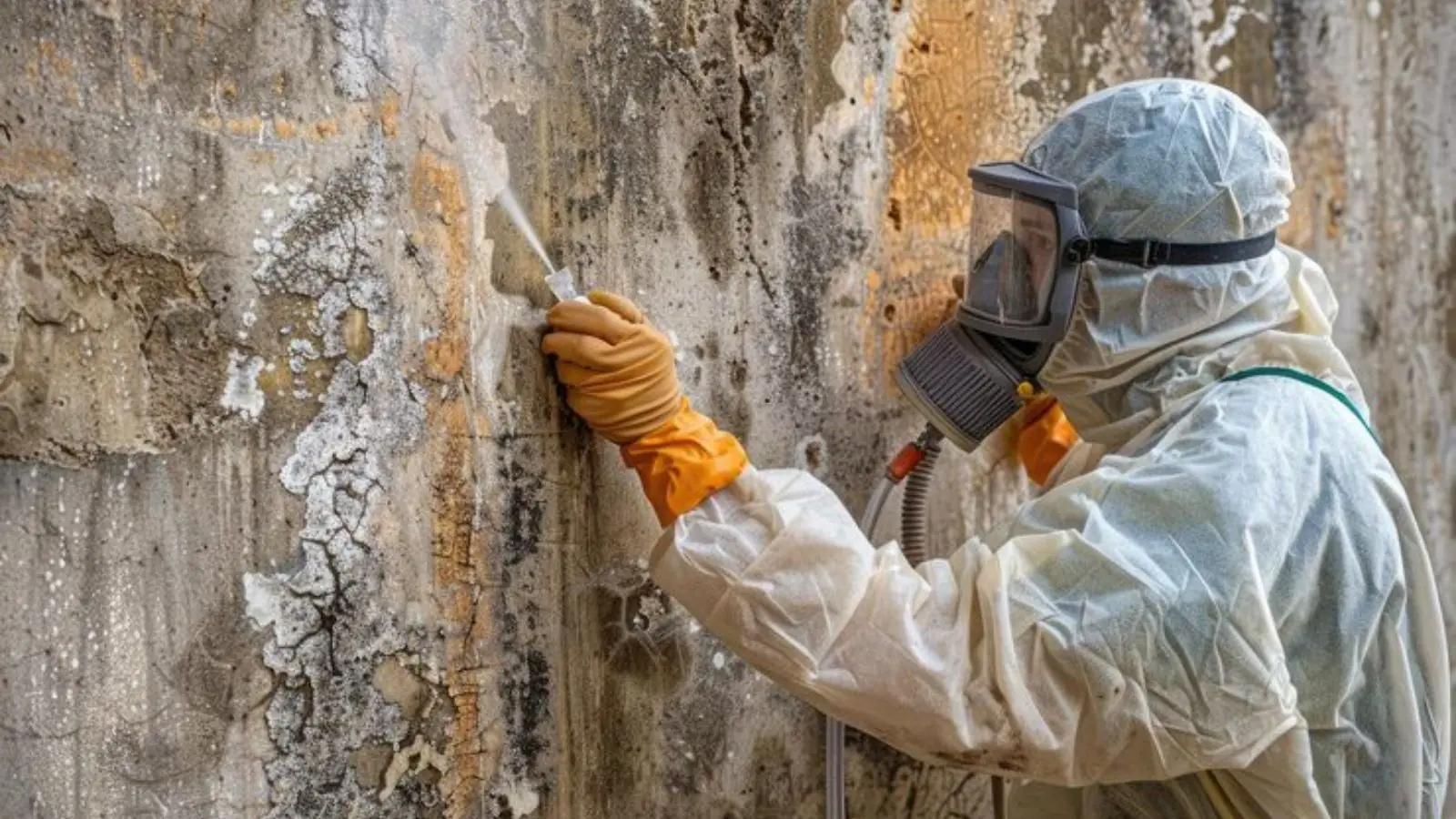
Wear an N95 respirator, goggles and gloves, and keep the work area closed off from the rest of the house. Bag waste before carrying it out. EPA does not recommend bleach for routine cleanup, and bleach must never be mixed with ammonia. Ask a physician about any health concern.
When growth is wide or the water was contaminated, mold remediation adds containment, negative air and HEPA filtration. Ask the company whether it works to the S520 published standard.
Wheat Ridge Local Note: Why the Freeze Dates Matter
Basement dampness here follows the thaw. The first freeze lands around October 7 and the last around May 5 in a typical year, so the ground is cold, then wet, then warm and humid in a repeating cycle that stresses foundations.
Rain in Colorado does not wait for a map. Golden has recorded floods in 1864, 1888, 1894, 1896, 1948 and 1965, and a basement can take on water even in a minor storm. See how crews handle that on the Golden and Denver pages if you own property in either place.
A Prevention Checklist You Can Print
Late April
Clear window wells, test the sump pump with a bucket of water and extend downspouts.
June
Place a hygrometer, start the dehumidifier and keep air moving.
Mid September
Regrade low spots, seal visible cracks and check the dryer vent.
Before October 7
Disconnect and drain outdoor hoses and finish drainage repairs.
Winter
Inspect pipes, the water heater and the foundation walls once a month.
Keep stored items on shelves off the floor and a few inches from the walls. Cardboard that touches a damp slab is the most common place a new patch starts. Plastic bins let you see inside and resist moisture better.
Insurance coverage for basement water varies a great deal. Read the policy before you need it, including any sump failure and sewer backup wording.
How to Get Rid of Basement Mold: Wheat Ridge FAQs
When in the year is basement mold most likely along the Front Range?
Late spring snowmelt and humid summer months are the usual trouble periods, which run between the average last freeze around May 5 and the first freeze around October 7. Watch the hygrometer through that window.
Can I get rid of basement mold with a dehumidifier alone?
No. A dehumidifier lowers humidity but does not remove growth or fix a leak. Use it after the source is repaired and soaked material is removed, then keep reading the hygrometer.
Should I use bleach on basement mold?
EPA does not recommend bleach for routine cleanup. Use detergent and water on hard surfaces and discard porous material that has growth. Never mix bleach with ammonia.
When should I call a professional?
Call when growth covers more than about 10 square feet, when it keeps returning, when sewage or flood water was involved, or when you smell mold but cannot find it.