
A Better Question Than the One You Typed
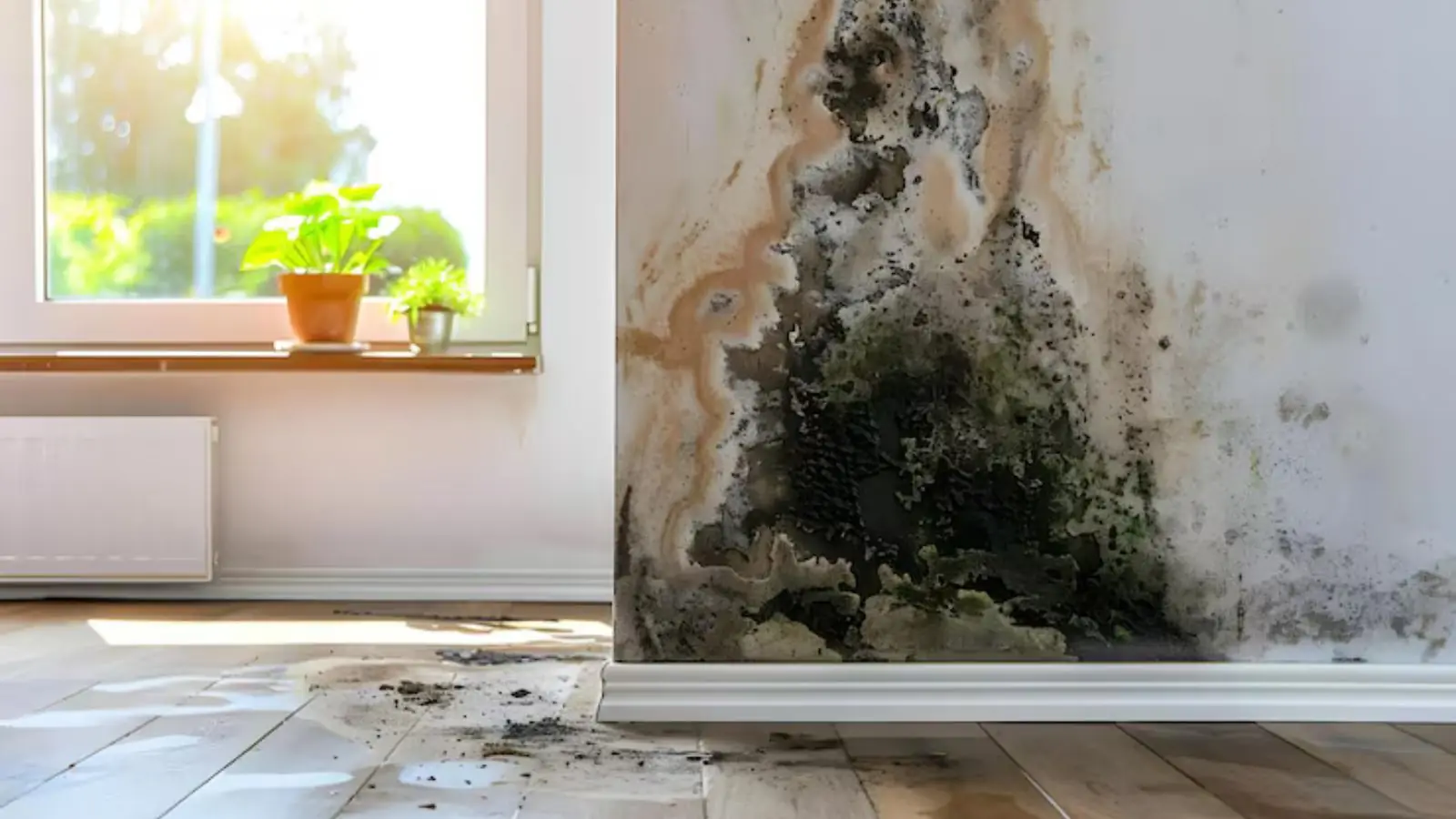
People searching this usually want a yes or no. A website cannot give one, and neither can a color or a smell. What we can do is show you how to judge the situation in front of you: how big it is, where the water came from, what it is growing on and whether more is hidden.
Questions about health effects, for you or for anyone in your household, belong with a physician. This page does not diagnose anything. It helps you decide how seriously to treat the building problem and who to call.
Five Things That Define the Problem
Size
Measure the visible area. EPA guidance uses about 10 square feet as the line between a small job and a larger one.
Source
A one-time spill that was dried is very different from a leak that keeps running.
Materials
Growth on sealed concrete is a cleaning job. Growth in drywall, carpet or insulation means removal.
Location
Mold near the furnace, ducts or air return can spread through the home.
Hidden growth
A musty smell with nothing visible suggests moisture inside a wall or under flooring.
Judging Size and Spread
Walk the basement with a flashlight and a tape measure. Check corners, the base of walls, behind stored items, around the water heater and below windows. Photograph each spot with something for scale, like a ruler.
Add the patches up if they are close together. Three spots of three square feet each are one nine-square-foot problem, not three small ones. If the total nears 10 square feet, treat it as a professional job.
Not sure how big or how hidden it is?
Call dispatch and describe what you see.
Why the Water Source Matters More Than the Mold
Mold control is moisture control. Cleaning the visible patch without fixing the leak invites regrowth, and the same logic applies in reverse. If the water is stopped and the area is dry, a small patch on a hard surface is a modest cleanup.
Clean water
A supply line or condensation. The best case, because materials can often be dried.
Gray water
A washer or dishwasher overflow. Porous materials are often removed.
Sewage or flood water
Category 3. Do not handle it yourself. See flood damage restoration.
Groundwater seepage
Recurring after rain. This needs a drainage fix as well as cleanup.
Signs That Point to Hidden Growth
Visible growth is only part of the picture. A basement can hold moisture in places you cannot see, such as the back of a paneled wall, the underside of carpet, or insulation packed against a cold foundation. Clues include a musty odor that returns after cleaning, paint that bubbles for no reason, and baseboards that stay cool and damp.
A moisture meter and thermal camera can check these places without demolition. That is usually the sensible first step, because it tells you whether anything needs to be opened at all. Our water damage repair page explains how the repair scope follows the readings.
What About Testing?
Many owners assume they need an air test. EPA guidance says sampling is usually unnecessary when mold is visible, because the next step is the same either way: fix the moisture and remove the growth. Testing makes more sense for a specific question, such as clearance after a large job, and an independent third party should do it, not the company doing the work.
Disturbing hidden growth carelessly can spread it. If you suspect something behind a wall, resist the urge to tear it open on your own.
Who to Ask and What to Ask Them
A physician
For any question about health effects, talk to your own doctor. Mention what you found in the home.
Your insurer
Ask what your policy covers for basement water and mold, and whether sewer backup is excluded.
A restoration company
Ask how it contains the work, filters the air and follows the S520 mold standard.
Your state and city
Ask whether your state licenses mold work. In the city, ask the building department what permits apply.
S520 is a published industry standard for mold remediation, so you can ask whether crews work to it. We offer mold remediation with containment, and you can ask our dispatch team those same questions on a call.
| What you see | How to treat it |
|---|---|
| Small spot, hard surface, leak fixed | Careful cleanup and drying |
| Growth on drywall or carpet | Removal, ideally with containment |
| Spread over multiple rooms | Professional assessment |
| Musty, nothing visible | Moisture inspection before opening anything |
| Sewage involved | Professional handling only |
Wheat Ridge Local Note: Insurance and Basement Questions
The state insurance division recommends reporting the loss early, limiting further damage, getting instructions before repairs and saving lodging receipts. Its consumer line is 303-894-7490, and it is a neutral place to ask how basement water claims are generally handled.
Policies differ on sewer backup and groundwater seepage, so read yours with a basement in mind. Homeowners with second properties can also look at Denver and Arvada service areas.
Basement Mold Judgment FAQs for Wheat Ridge
Who do I call in Colorado with a basement coverage question?
Call your insurer first. The Colorado Division of Insurance consumer line, 303-894-7490, can answer general questions about the claims process and what to do before repairs begin.
Do I need to test the mold before doing anything?
Usually not. EPA guidance says sampling is generally unnecessary when mold is visible. Fix the moisture, then clean or remove the affected materials.
Does the state license mold work?
Ask whether your state licenses mold work and ask any company how it works. We do not make a claim either way here.
Who answers questions about health effects?
A physician. A restoration company can assess the building, not the person.