
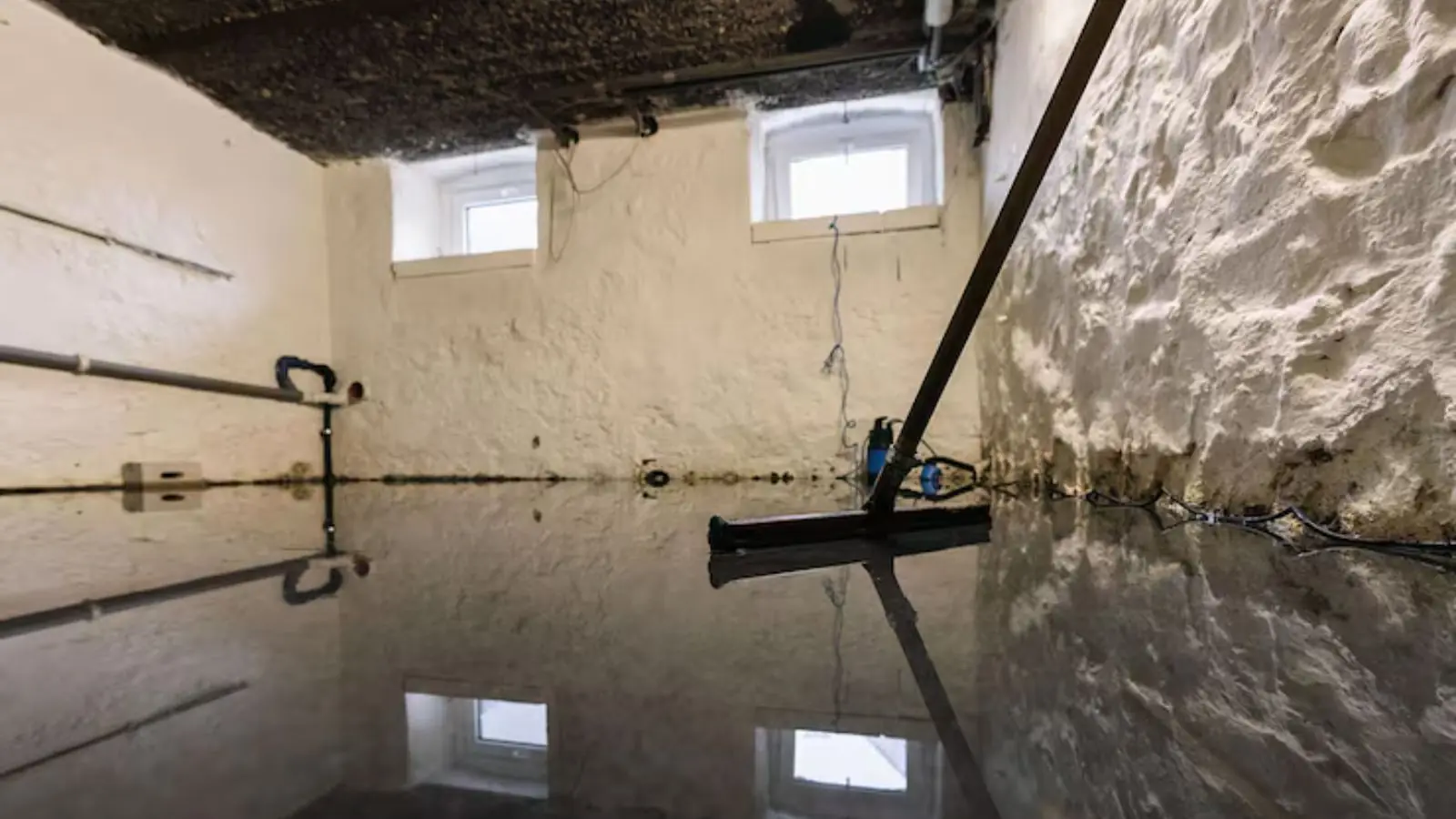
What Mold Mitigation in a Basement Actually Means
Mold mitigation in a basement means controlling the moisture that lets mold grow, then removing growth that has already started. The order matters. If you clean the stain and leave the dampness, the stain returns. If you fix the dampness and leave the growth, the material stays contaminated.
Wheat Ridge basements get wet for several reasons: a failed sump pump, a window well that fills in a storm, a plumbing leak behind a finished wall, or groundwater pressing through a floor crack. Each cause points to a different fix, so the first job is to name the source before buying a single product.
Why Basements Grow Mold First
A basement is the coolest, least ventilated and lowest part of the house, so moisture collects there and stays. Concrete holds water and releases it slowly. Carpet, stored cardboard, paneling and the paper face of drywall give mold something to feed on once they stay damp.
A basement that stays damp for a week has blown well past the day or two that federal mold guidance allows for drying, long before the first spot shows up on the wall.
Find the Moisture Source Before You Clean
Window wells
Check for standing water, a cracked seal or a cover that no longer sheds rain. A full well sends water straight through the window frame.
Sump pump and pit
Pour a bucket of water into the pit and confirm the pump starts and discharges outside, away from the foundation.
Plumbing and appliances
Look at the water heater, washer hoses, utility sink and any pipe along the ceiling for drips and green or white crust.
Floor and wall cracks
A damp line that follows a crack after rain points to groundwater. That is a drainage problem, not a cleaning problem.
A moisture meter or a thermal camera speeds this up, and so does a simple habit: look at the basement the morning after a hard rain. If you cannot find the source, a mitigation crew can map it, and our water mitigation page explains how moisture mapping works.
Not sure where the moisture is coming from?
Call dispatch and describe what you see.
A Practical Mitigation Sequence
Stop the water
Fix the leak, empty standing water and repair or replace a failed pump.
Remove wet material
Pull soaked carpet, pad, stored boxes and soft drywall that stayed wet.
Dry the space
Run air movement and dehumidification until moisture readings return to normal.
Clean or remove growth
Clean hard surfaces and remove porous material that has visible growth.
Each step depends on the one before. People often start at step four with a spray bottle and finish with a new stain a month later. The drying step is the one that decides whether the mold comes back, and it is the one most often skipped.
Skip the bleach habit. EPA guidance does not recommend it for routine mold cleanup, and mixing it with ammonia cleaners is dangerous. Killing growth is not the goal anyway, since the material has to come out or be scrubbed clean.
When to Call a Professional
The EPA's rule of thumb is about 10 square feet. Below that, many homeowners can follow its guidelines and clean up on their own. Larger areas, water damage from sewage or contaminated water, and suspected hidden mold call for a professional. Investigating hidden mold can release spores if it is done carelessly.
| Situation | Reasonable approach |
|---|---|
| Small spots on a hard surface, source fixed | Clean carefully with protective gear and dry the area |
| Growth on drywall, insulation or carpet | Remove the material, preferably with professional containment |
| Growth in more than one room | Professional inspection and containment |
| Sewage or flood water involved | Professional handling, see flood damage restoration |
| Musty smell with no visible source | Professional inspection, since hidden mold is possible |
When a pro is needed, mold remediation adds containment, HEPA air filtration and removal under the S520 standard. You can ask any company whether its crews work to S520. Questions about health effects belong with your physician.
Wheat Ridge Local Note: Floodplains and Window Wells
Basement owners near the creeks should know the layout. Clear Creek crosses the north side of Wheat Ridge, Lena Gulch drains toward it east of Kipling Street, and a third mapped zone follows 26th Avenue where storm sewers do most of the work. Houses in the Local Flood Hazard Area upstream of 26th Avenue sit in the city's strongest flood insurance advisory.
A map line does not stop a storm, and county guidance says floods often occur outside the mapped areas. In practice a window well on a street far from any creek can still fill. Check the FEMA flood map for your address, then read about Arvada and Denver basements if you also own property there.
What Affects the Cost of Basement Mold Work
Area affected
More square footage means more containment and more material removed.
Moisture source
Fixing a pump, a window well or a leak is a separate trade and cost.
Materials
Finished basements hold more removable drywall, carpet and insulation.
Drying
Equipment and monitoring visits scale with the humidity of the space.
Testing
Independent clearance testing is a separate third-party service.
Rebuild
Replacement of removed material follows the work.
Coverage for basement water varies. Sewer backup and groundwater seepage are often excluded unless a rider was added, so read the policy before you assume anything and ask your insurer.
Basement Mold FAQs for Wheat Ridge
Does a dehumidifier alone solve a basement mold problem?
No. A dehumidifier lowers humidity, but it does not remove existing growth or fix a leak. Use it after the source is repaired and wet material is removed.
Are window wells in Wheat Ridge a common water entry point?
They are a common path in any area with storm runoff. Keep wells clear, check the seal and make sure covers shed rain. Water that pools in a well can enter at the window frame.
How soon after a leak should I act?
Right away. Every day of delay gives growth more time to take hold, and materials that dry inside two days rarely need remediation at all.