
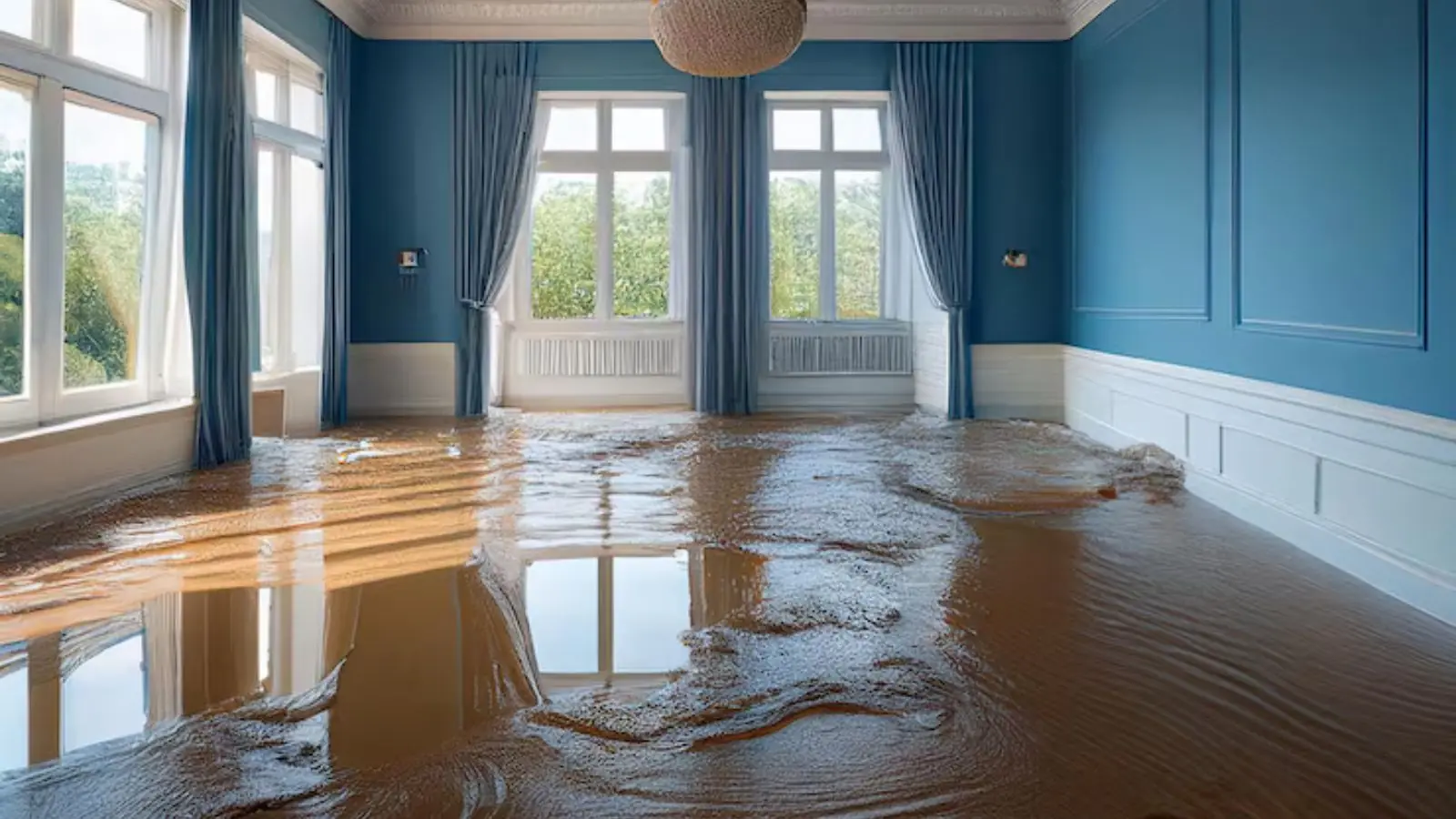
Your Floor Is a Stack of Layers, and Water Treats Each One Differently
When water reaches a floor, the question is rarely about the surface alone. A floor is a finish, sometimes an underlayment, a subfloor and a structure, and each layer takes on and releases water at its own pace. A finish can look fine while the layer beneath it stays wet.
This guide goes floor type by floor type, then covers the subfloor and the question of what is worth saving. Start by learning what kind of water it was. Clean supply water gives you more options than gray water, and sewage water (category 3) rules out saving most porous materials.
Carpet and Pad
Carpet fibers often dry in place if the water was clean and the response was fast. The pad underneath is another matter. It soaks like a sponge, dries slowly and is usually replaced. Lifting the carpet edge to dry the pad and the floor below is a common professional step.
Carpet exposed to gray or sewage water is usually discarded. Time matters as well. If it has been wet for more than a day or two, expect it to be replaced.
Laminate and Engineered Flooring
These are the least forgiving. The core is pressed wood fiber that swells when wet and does not return to its shape. Edges lift, seams peak and the planks may cup. Even a small spill that works under the edge can cause the damage, so check along walls and under thresholds.
Click-lock planks can sometimes be lifted, dried and reinstalled if they have not swollen. Once the core has swollen, they are done.
Water on your floor right now?
Call dispatch and tell us what the floor is made of.
Vinyl, Sheet and Plank
Vinyl itself shrugs off water, but water gets under it through seams and edges and then has nowhere to go. Trapped moisture sits against the subfloor. If the vinyl was glued down, water can break the bond and let the sheet bubble. Floating plank vinyl can often be lifted and dried, then put back.
Solid Hardwood
Hardwood absorbs water, swells and cups. The key is speed and slow drying. Hardwood that is dried carefully within days can sometimes be saved, though it may need refinishing. Dry it too fast with heat and the boards can crack. Boards that have crowned or buckled are a sign that the damage is advanced.
Specialty drying mats pull water up through the boards without lifting them. Whether this works depends on how long the floor stayed wet and how thick the boards are.
Tile and Grout
Tile does not mind water. The trouble is what is below. Water travels through grout joints and a cracked tile to the backer board or mortar bed. If tile sounds hollow when tapped, the bond has failed. Tile on a concrete slab generally fares better than tile over a wood subfloor.
Concrete Slab and Subfloor
A slab does not rot, but it holds water for a long time and can wick moisture upward through a finished floor for weeks. Coverings that are glued to a damp slab fail. Wait for the slab to dry, and test before you install anything new.
A wood subfloor is the layer that decides whether you can keep the finish. Plywood and OSB swell at the edges and lose strength when they stay wet. Dry subfloor can be saved. Delaminated subfloor is cut out and replaced, which sets the scope for the floor above it.
| Floor type | Usually saved when | Usually replaced when |
|---|---|---|
| Carpet | Clean water and fast drying | Gray or sewage water, long wet time |
| Carpet pad | Rarely | Almost always |
| Laminate | Planks have not swollen | Edges lifted or core swollen |
| Vinyl plank | It lifts and dries | Glued down and bubbled |
| Hardwood | Dried slowly within days | Crowned, buckled or cracked |
| Tile | Bond is intact | Hollow sounding or cracked |
| Subfloor | It dries and stays firm | Delaminated or soft |
What to Do in the First Day
Stop the water
Shut off the source and remove standing water.
Take photographs
Capture the floor, the water line and the source before cleanup.
Lift what you safely can
Move furniture, rugs and area carpet. Put foil or blocks under legs.
Start air movement
Run fans and a dehumidifier, and keep the room closed so the equipment works on the damp area.
Call for moisture mapping
A meter reads through finishes and shows how far the water spread.
For the extraction and drying phases, see water damage cleanup and flood damage restoration, which cover larger events.
Wheat Ridge Local Note: Basements, Crawlspaces and Flood Cover
The Denver Flood Protection Handbook states that federal flood insurance does not cover sewer backup, that there is a 30-day waiting period, and that a crawlspace counts as a basement. A slab or wood floor over a crawlspace therefore gets treated like a basement floor when you read a flood policy.
Golden's records of flooding in 1864, 1888, 1894, 1896, 1948 and 1965 are a reminder that flooding in this part of the Front Range is not new. Ask your insurer what your policy covers. For neighboring service areas, see Golden and Denver.
Water Damaged Floor FAQs for Wheat Ridge
Does a crawlspace floor count as a basement for flood coverage?
According to the Denver Flood Protection Handbook, a crawlspace counts as a basement for federal flood insurance. Read your policy, and ask your insurer what it covers before repairs begin.
Can a wet hardwood floor be saved?
Sometimes. Boards dried carefully within days may be saved and refinished. Crowned, buckled or cracked boards usually need replacement. Fast heat drying can crack boards.
Why is the subfloor so important?
It decides how much of the floor above you keep. Dry, firm subfloor can stay. Soft or delaminated panels are cut out, which usually means removing flooring above.
Should I pull up carpet myself?
You can lift a corner to check the pad, but drying works best with the right equipment. Photograph first, and leave category 3 water to professionals.